|

|

Injured on Reservation Land? Get Clarity and Guidance You Can Trust

Accidents on Tribal Land Can Be Confusing — You Don’t Have to Navigate It Alone

Accidents on Native American reservations can leave victims unsure about their rights. Jurisdiction — who has legal authority — isn’t always clear, especially if you’re hurt in a crash on Navajo Nation, Hopi land, or along the many highways running through tribal territories. Whether the collision happened near Tuba City, on U.S. 160, or in a remote area far from home, it’s normal to feel overwhelmed by unfamiliar rules. The Law Office of Matthew J. Poirier, PLLC helps victims understand where their case belongs and what steps to take, providing clear answers at a time when clarity matters most.

What We Help With

Accidents on Tribal Land (Navajo, Hopi, and Other Reservations)

Crashes on reservation land involve rules different from state courts. Whether both drivers are Native or only one is, jurisdiction depends on several factors — including tribal law, highway ownership, and where each party is from. We help you understand your rights and determine the proper path forward.

Highway Crashes That Pass Through Reservations

Many major highways — including U.S. 89, U.S. 160, and parts of Route 66 — run through tribal land. If you’re a non-tribal member injured by another non-tribal member on one of these roads, your case may belong in state court. We help clarify this and explain why jurisdiction matters.

Partnership With a Reservation-Licensed Attorney

If your case must be handled in tribal court, you won’t be left on your own. Through our partnership with an attorney licensed to practice in Navajo and Hopi courts, you get seamless support. If your case belongs in state court, we manage it directly from Flagstaff. This dual approach ensures you receive guidance without being turned away or redirected endlessly.

Tourist and Out-of-State Victim Support

Accidents near Monument Valley, Antelope Canyon, or other remote areas often involve visitors. We help out-of-state clients coordinate medical care, gather evidence, and pursue claims even after they return home.

Severe or Life-Threatening Injuries

Remote reservation roads often lead to delayed medical response, making injuries potentially catastrophic. We help document long-term needs and pursue full compensation.

Fatal Crashes on Reservation Land

When tragedy occurs, families deserve clarity about the legal process and their rights. We help determine the proper jurisdiction and guide you through the next steps of a wrongful death case.

Mistakes That Make These Cases Harder

  • Assuming you have no rights because you're not Native American.
    Many non-tribal members have valid claims in state or tribal courts.


  • Not seeking legal help because jurisdiction seems confusing.
    Understanding where your case belongs is the first step — we help clarify that quickly.


  • Waiting too long to take action.
    Different jurisdictions have different deadlines and notice requirements. Early action protects your rights.


  • Relying on incorrect advice from insurers unfamiliar with tribal rules.
    Insurance companies often misunderstand tribal jurisdiction.


  • Trying to manage evidence collection on your own.
    Accidents in remote areas require coordinated efforts with tribal law enforcement and medical responders.

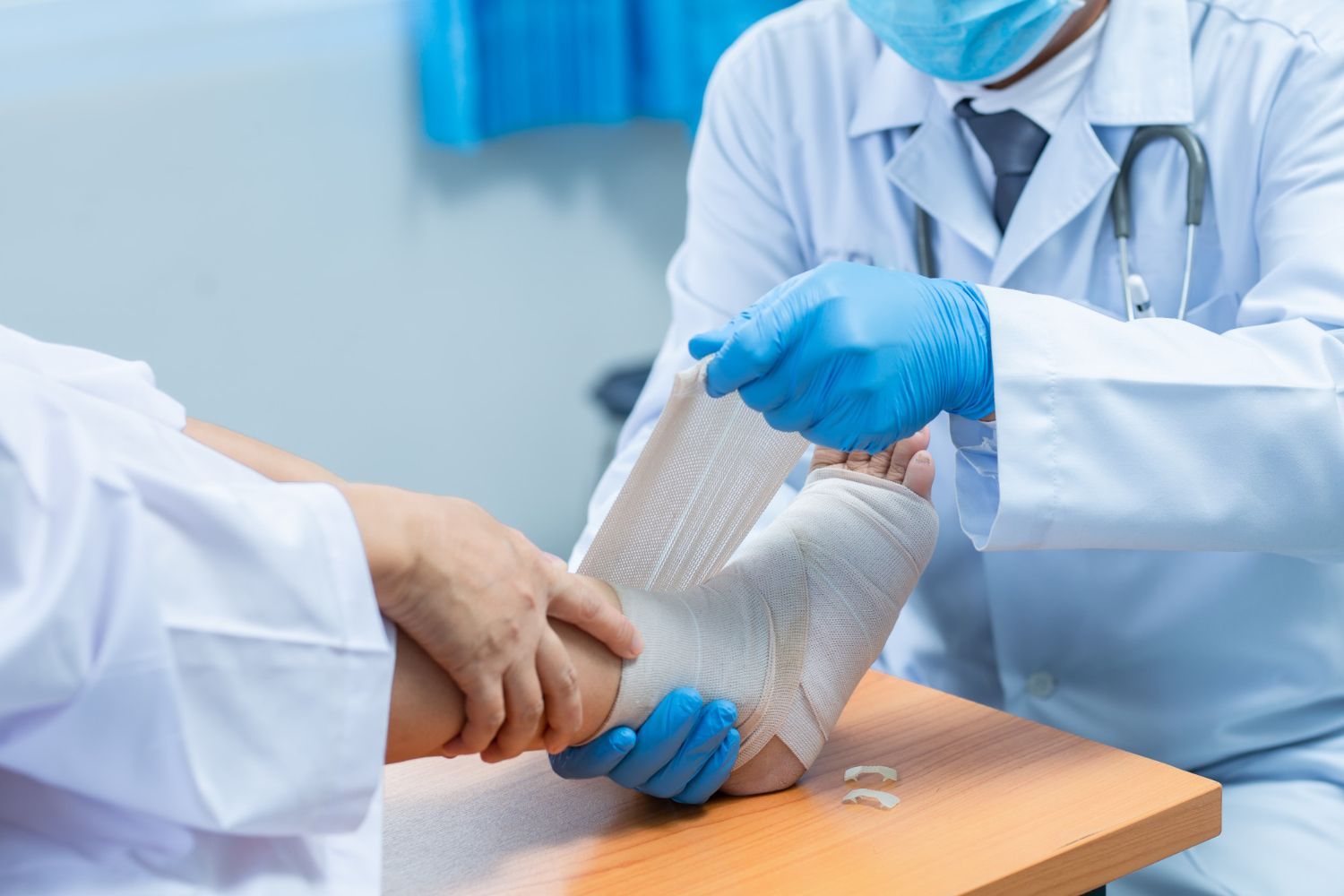
Doctor bandaging patient's foot with a cast in a medical setting. Blue gloves, white coat, light background.

What to Expect When You Call Us

Reservation-related accidents require careful attention. We guide you through each step and help identify which court — state, federal, or tribal — has authority. Our process is shaped by real experience with these cases and partnerships built to support clients wherever their accident occurred.

01

Initial Consultation and Jurisdiction Review

We evaluate where the accident occurred, who was involved, and what laws apply.

02

Evidence and Report Collection

We work with tribal police, Arizona DPS, or county agencies to obtain reports and documentation.

03

Case Strategy and Filing Decision

Based on jurisdiction, we determine whether the case belongs in state court or tribal court (with our partner attorney).

04

Negotiation With Insurers

We communicate directly with insurers who may be unfamiliar with reservation rules.

05

Resolution and Next Steps

You receive guidance on the outcome, compensation, and future considerations.
If You’re Not Sure What to Do Next

If you don’t know which court applies

One call helps clarify whether your case belongs in tribal, state, or federal court.

If you’re not a tribal member

Non-tribal members still have rights, and many claims can proceed in state court.

If you were hurt in a remote area

We help gather reports and evidence even if you’ve returned home.

If you’re dealing with severe injuries

We assess long-term needs and pursue full compensation.

If you feel overwhelmed by the complexity

You don’t have to figure out tribal law on your own — we bridge the gap.

Two overlapping speech bubbles, one with a question mark.

Common Questions About Reservation Accidents

  • What if I had a car accident on Navajo Nation land?

    Jurisdiction depends on who was involved and where the accident occurred. We help determine whether your case belongs in tribal or state court.

  • Can I sue after a crash on a reservation if I’m not Native American?

    Often yes. Many non-tribal members pursue claims in state court or through tribal processes with licensed counsel.

  • Who handles my case if it must go to tribal court?

    We work with a reservation-licensed attorney who can file and represent clients in Navajo or Hopi courts.

  • What if the accident happened on a highway that crosses reservation land?

    Highways like U.S. 160 and U.S. 89 may fall under state jurisdiction even though they pass through reservations. We help you understand which rules apply.

  • Do reservation cases have different deadlines?

    Yes — some tribal jurisdictions have unique requirements. Contacting an attorney early protects your rights.

Icon of a building with columns, representing a courthouse.

Don’t Lose Time — Jurisdiction Rules Move Quickly

Accidents on or near reservations add layers of complexity, but you don’t have to face them alone. The Law Office of Matthew J. Poirier, PLLC helps victims across Tuba City, Sedona, Williams, Page, and Winslow understand their options and take the next step with confidence.